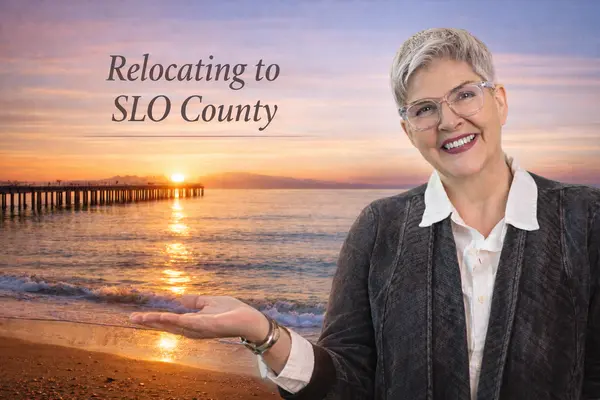
From Stress to Sunset: Relocating to San Luis Obispo in 2026

 Trading Headlights for Sunsets:
How One Real Estate Team Reimagined Relocation
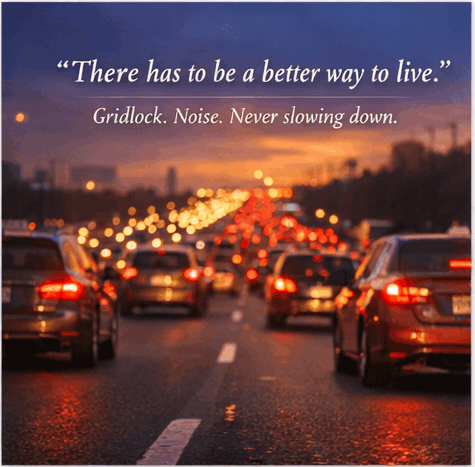
If you’ve ever sat in gridlock, staring at the endless river of red taillights and thought, “There has to be a better way to live,” you’re not alone. Across the country, a powerful shift is taking place. People are consciously choosing lifestyle over congestion, community over chaos, and coastline over commutes.
This search for a better life often begins with a real estate transaction, but what if the process itself—the spreadsheets, the checklists, the focus on square footage—missed the point entirely? One real estate team has completely flipped the script on relocation, proving that the most important move isn’t just changing your address, but thoughtfully integrating into a new way of life.
 1. They Sell a Feeling, Not a Floorplan
The core philosophy driving this team’s approach is a simple but profound shift in perspective: they help clients buy into a new lifestyle, not just a physical structure. The traditional real estate conversation often revolves around metrics like price per square foot or resale value. This team, however, focuses on the client’s “life’s next chapter.”
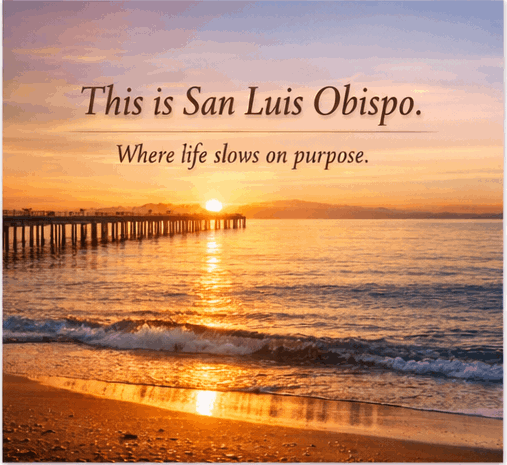
They understand that the true reasons people relocate are rarely found on a spreadsheet. People move because their mental health matters, and they want to choose peace over pace. They move because their kids can breathe, their weekends can be filled with wine instead of Walmart, and their evenings can be about sunsets, not headlights. This approach is powerful because it aligns the service directly with the client's deepest motivations, building a foundation of trust and ensuring a far better long-term outcome.
Houses are drywall. Life is laughter in the backyard. That’s what you’re buying.
2. The First Visit Is a "Life Tour," Not a House Tour
Instead of immediately scheduling property viewings, this team has a unique process for a prospective client’s first visit. It’s not about unlocking doors; it’s about unlocking clarity through what they call a “Life Tour.” The goal is to immerse the client in the actual experience of living in the area. This ‘Life Tour’ is the physical manifestation of selling a feeling over a floorplan; it grounds the dream of a new lifestyle in tangible, sensory experiences long before a contract is ever discussed.
A typical introductory day might include getting an espresso at Scout Coffee, a walk past charming boutiques, a drive through the scenic Edna Valley vineyards, and watching the sunset at Shell Beach—complete with a recommendation for hiking Bishop Peak tomorrow. There is no sales pitch. The entire experience is designed to provide tangible “proof that this lifestyle exists” and to allow clients to determine for themselves if it’s a genuine fit. This counter-intuitive strategy removes the pressure of a sale and reframes the agent’s role from that of a salesperson to a trusted local guide.
 3. They Ask About Your Future, Not Just the Features
During the home-hunting process, a simple change in language makes a world of difference. Where a typical agent might point out features on a checklist, this team prompts clients to envision their future.
- Instead of stating, "Check out this kitchen."
- They ask, "Can you imagine holiday dinners here?"
- Instead of stating, "Look at the yard."
- They ask, "Is this where your dog and kids run wild after school?"
This subtle but impactful shift encourages clients to connect emotionally with a space rather than just evaluating its physical attributes. By asking questions that place the client’s life at the center of the conversation, they transform a sterile property evaluation into a personal visioning session. It’s no longer about whether the house checks the boxes; it’s about whether it can hold the life you want to live.

4. The Relationship Begins at Closing, It Doesn't End
Perhaps the most significant departure from the industry standard is what happens after the deal is done. The conventional real estate transaction ends when the keys are handed over, with the agent often disappearing from the client's life. This team subverts that expectation entirely.
Their work extends far beyond the sale to focus on community integration. Rather than vanishing, they check in, driven by genuine curiosity about their clients’ new lives. Their follow-up isn’t a marketing email; it’s a series of caring questions: How are the neighbors? Found your favorite tacos yet? Signed up for a wine club? Want to meet new friends? This question-based approach demonstrates a long-term commitment to the person, not just the property.
Because a relocation isn’t a transaction. It’s integration. You’re not buying a house — you’re joining a lifestyle.
A Final Thought
This human-centered model is built on a powerful dichotomy: they aren't transaction agents—they're transition partners. By curating futures instead of just closing deals, they provide a blueprint for a more meaningful way to approach one of life's biggest decisions. It makes you wonder: what if every major decision was guided not by a spreadsheet, but by a clear vision of the life we actually want to live?
Categories
- All Blogs (31)
- Best Real Estate Agent on the central Coast (9)
- Buyers Guide (8)
- Cambria, Templeton, Pismo Beach, Paso Robles, Nipomo (25)
- downsizing (4)
- Eco Friendly (1)
- Investing Green (2)
- Market Analyst (2)
- Probate and Trust (3)
- Prop 19 (1)
- relocations (8)
- San Luis Obispo Home Sales 2025 (8)
- San Luis Obispo, Pismo Beach, Arroyo Grande, Grover Beach, Avila Beach, Morro Bay, (28)
- selling to move (12)
- SLO Market (5)
- Solar (1)
- Top Agents on the central coast (4)
Recent Posts