
The Biggest Mistakes Sellers Make Before Calling an Agent

The Biggest Mistakes Sellers Make Before Calling an Agent
How to Avoid Them
Selling a home is one of the largest financial decisions most people will ever make. Yet surprisingly, many homeowners begin preparing their property without first consulting a real estate professional — often costing themselves thousands of dollars in unnecessary upgrades, poor pricing strategies, and avoidable delays.
In today’s market, preparation is not about doing more. It’s about doing the right things in the right order.
Before you pick up a paintbrush, schedule a contractor, or rely on an automated home value, here are the most common and expensive mistakes sellers make before contacting an agent.
1. Over-Improving the Home
It’s easy to assume that a major kitchen remodel or luxury bathroom upgrade will dramatically increase your sales price. Unfortunately, many large renovations fail to return dollar-for-dollar value, especially when they exceed neighborhood expectations.
Buyers compare homes within a price bracket. If your property becomes the most expensive home on the block due to high-end upgrades, you may actually shrink your buyer pool.
A local real estate advisor understands:
-
Which upgrades buyers in your area actually pay for
-
Where modest improvements outperform luxury remodels
-
How to avoid becoming the “overbuilt” home in the neighborhood
Often, strategic cosmetic updates outperform expensive construction projects.
Insight: The goal is not perfection — it’s profitability.
2. Ignoring the Basics
 Some sellers focus on visually appealing projects while overlooking the small maintenance issues buyers immediately notice during showings and inspections.
Dripping faucets, worn caulking, scuffed baseboards, sticky doors, and chipped paint may seem minor, but collectively they signal deferred maintenance and that raises buyer concern.
When buyers sense a home hasn’t been cared for, they begin to wonder:
What bigger problems might be hiding?
An experienced agent will usually recommend addressing high-visibility, low-cost repairs first, because these improvements deliver one of the highest returns on investment.
Think of it this way:
👉 Buyers forgive outdated.
👉 Buyers do not forgive neglected.
3. Getting Too Personal
Your home reflects your personality — but selling requires a shift from living in a home to marketing a product.
Bold paint colors, dramatic wallpaper, highly customized rooms, or niche design choices can unintentionally limit buyer appeal. The broader the audience that can emotionally connect to your home, the stronger your negotiating position becomes.
This doesn’t mean your home must look sterile or generic. It means creating an environment where buyers can easily picture their future there.
Strategic guidance often includes:
-
Neutralizing dominant colors
-
Reducing visual clutter
-
Reframing specialty rooms into flexible spaces
-
Enhancing natural light
Remember — you’re not decorating anymore. You’re merchandising.
4. Guessing the Return on Investment
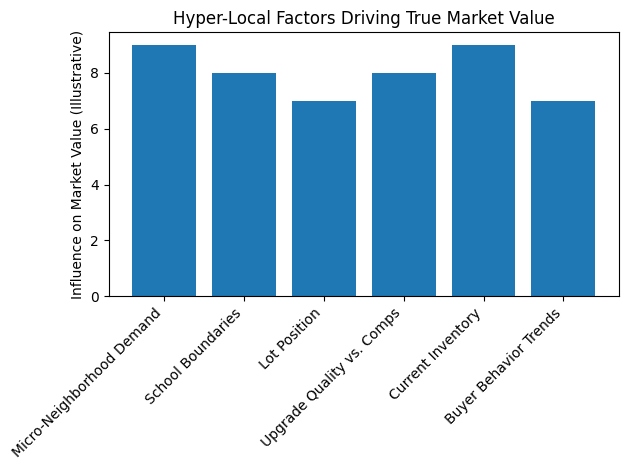 Automated valuation tools like Zillow or Redfin can be helpful starting points, but they lack the hyper-local nuance that drives true market value.
Algorithms cannot fully account for:
-
Micro-neighborhood demand
-
Buyer behavior trends
-
School boundary impacts
-
Lot positioning
-
Upgrades relative to competing homes
-
Current inventory pressure
Pricing and pre-sale spending based on automated estimates alone is one of the fastest ways to leave money on the table.
A skilled agent evaluates your home not just through data, but through active buyer psychology.

Additional Costly Mistakes Sellers Often Make
Waiting Too Long to Seek Advice
Many homeowners call an agent only after they’ve already made expensive decisions. The smartest sellers start the conversation early sometimes months before listing to build a strategy.
Starting Projects They Don’t Finish
Half-completed renovations create uncertainty and negotiation leverage for buyers.
Skipping a Pre-Listing Walkthrough
A professional walkthrough identifies what buyers will notice within seconds of entering your home.
Pricing Emotionally
Sellers naturally attach memories to their homes. Buyers don’t. The market determines value not sentiment.
Believing “More Work Equals More Value”
Preparation should be selective and strategic, not exhaustive.
Why Early Guidance Matters
The difference between a good sale and an exceptional one often comes down to planning before preparation.
When you consult a knowledgeable real estate advisor early, you gain:
✅ A prioritized improvement strategy
✅ Protection from unnecessary spending
✅ Data-driven pricing insight
✅ Stronger buyer appeal
✅ Reduced days on market
✅ Greater negotiating power
Most importantly — you position your sale to maximize net proceeds, not just sale price.
The Bottom Line
Before investing a dollar into your home, invest a conversation with a trusted professional.
The right guidance doesn’t just help you sell it helps you sell smarter.
If you’re even considering a move, scheduling an early strategy session can provide clarity, prevent costly missteps, and ensure every decision supports your financial goals.
Because when it comes to selling your home…
What you don’t know can cost you.
What you plan for can pay you.
Categories
- All Blogs (31)
- Best Real Estate Agent on the central Coast (9)
- Buyers Guide (8)
- Cambria, Templeton, Pismo Beach, Paso Robles, Nipomo (25)
- downsizing (4)
- Eco Friendly (1)
- Investing Green (2)
- Market Analyst (2)
- Probate and Trust (3)
- Prop 19 (1)
- relocations (8)
- San Luis Obispo Home Sales 2025 (8)
- San Luis Obispo, Pismo Beach, Arroyo Grande, Grover Beach, Avila Beach, Morro Bay, (28)
- selling to move (12)
- SLO Market (5)
- Solar (1)
- Top Agents on the central coast (4)
Recent Posts