San Luis Obispo Fire Safety 5 Critical Updates Every Buyer and Seller Must Know in2026
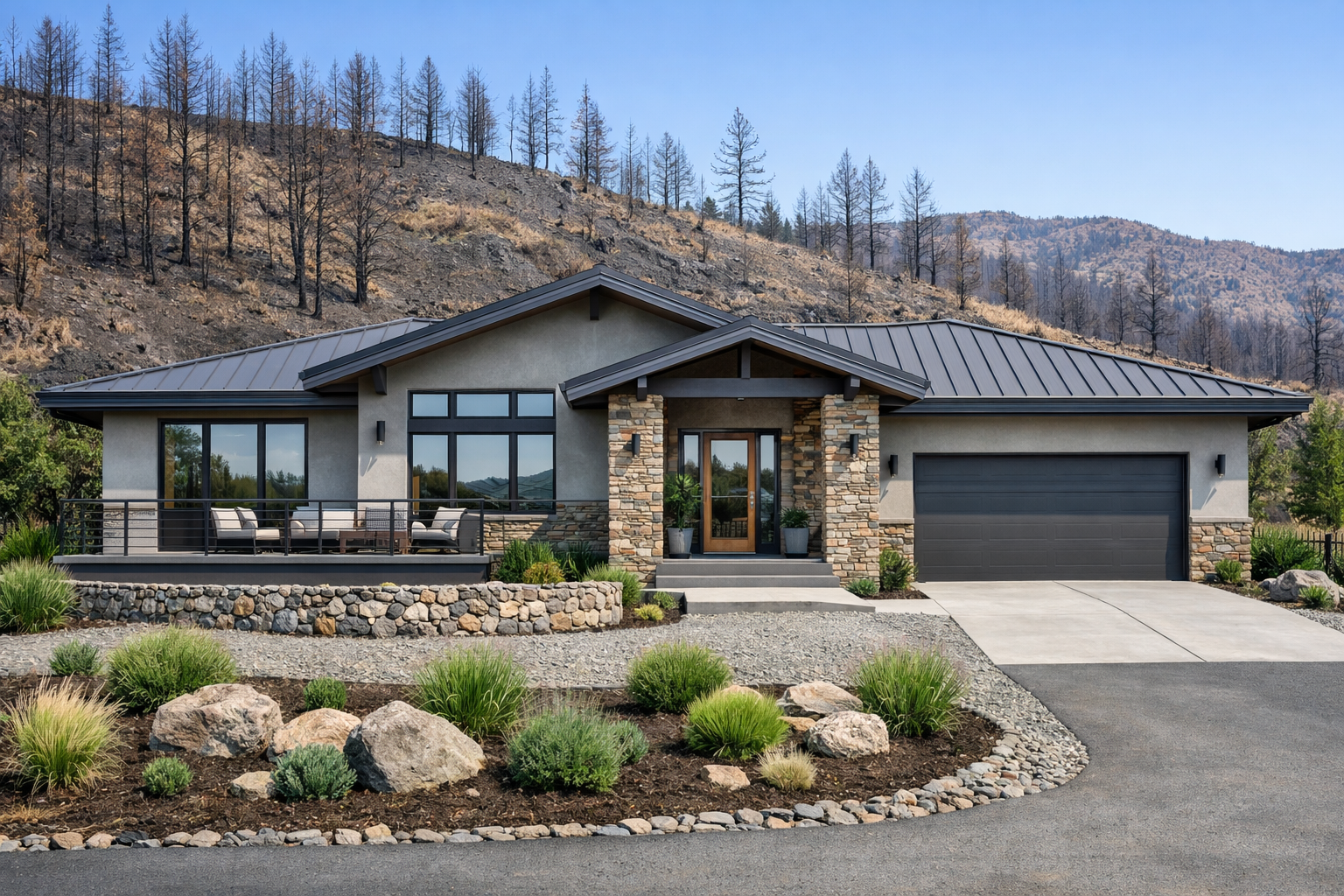
San Luis Obispo Fire Safety: 5 Surprising Rule Changes Every Buyer and Seller Should Know
Is your San Luis Obispo home truly prepared for today’s evolving fire safety rules—and what does that mean if you’re buying or selling?
In 2025, San Luis Obispo County and the City of SLO adopted major updates to fire hazard maps, evacuation systems, and building requirements. If you plan to buy, sell, or remodel, understanding these shifts isn’t optional—it directly impacts value, insurability, and negotiations.
1. You Now Have Two Emergency Designations (And They’re Not the Same)
If you live in San Luis Obispo County, your property likely falls into:
-
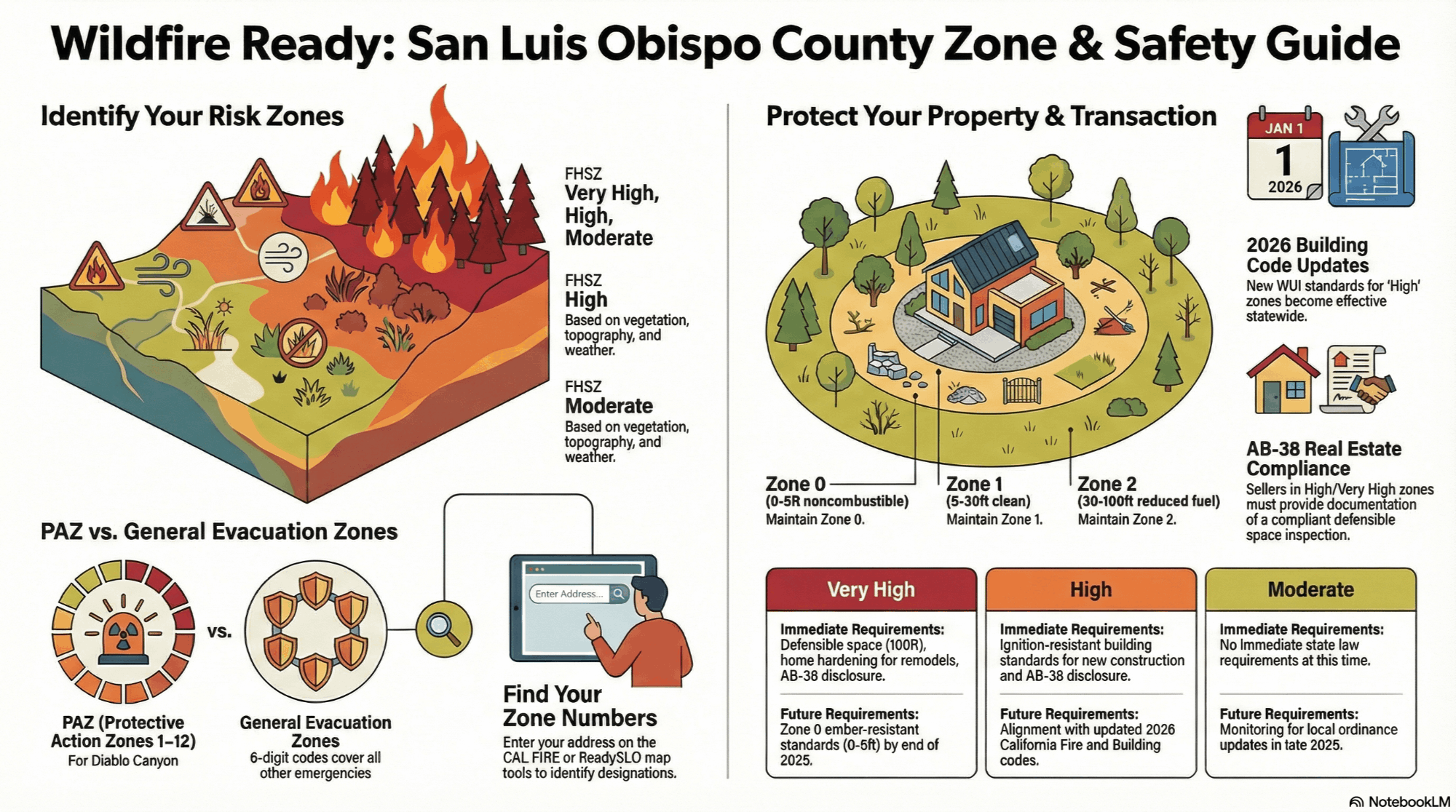
Protective Action Zones (PAZ) – Used exclusively for emergencies involving Diablo Canyon Power Plant.
-
Evacuation Zones – A new 6-digit code system (like SLC-001) used for wildfires, floods, and other hazards.
Every address in the county has an evacuation zone.
For buyers, this matters because preparedness expectations are rising.
For sellers, knowing and clearly communicating your evacuation zone ahead of listing builds confidence and reduces last-minute questions.
Being able to say, “Here’s our zone, here’s our plan,” positions you as proactive—not reactive.
2. “Hazard” Is Not the Same as “Risk”
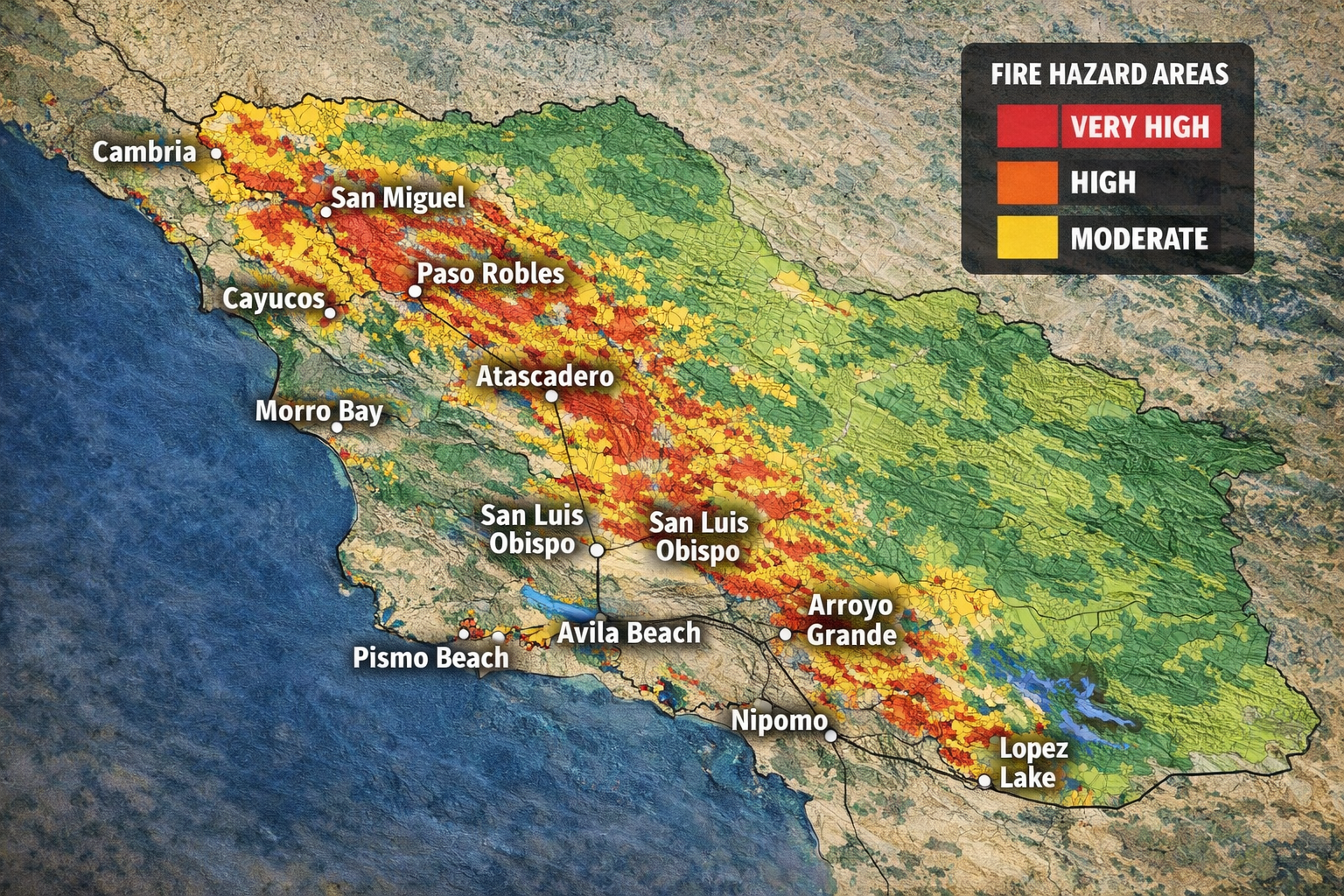
Many homeowners are surprised to see their property designated as “High” or “Very High” on updated state maps—even after investing in upgrades.
The distinction comes down to this:
-
Hazard reflects environmental factors like topography, vegetation, and long-term weather patterns.
-
Risk reflects what you’ve done to reduce vulnerability—roof upgrades, defensible space, ember-resistant vents, and maintenance.
As a buyer, don’t panic over map color alone.
As a seller, don’t assume the map defines your home’s story.
Your mitigation efforts matter—and they’re documentable.
3. “Zone Zero” Is Now the Most Important 5 Feet on Your Property
The biggest science-based shift in San Luis Obispo fire safety is the emphasis on the 0–5 foot buffer around your home, often called “Zone Zero.”
Most homes ignite from embers—not a wall of flame. That means combustible materials immediately next to your structure are the real vulnerability.
Key updates include:
-
No organic mulch or bark within 5 feet of structures
-
Wooden fences attached to the home must be modified or separated with non-combustible material
-
Grass must be maintained at 3 inches or less
-
Trees allowed—but branches must be properly spaced from roofs and chimneys
If you’re selling, this is low-hanging fruit. Addressing Zone Zero before listing can prevent inspection surprises.
If you’re buying, inspect this area carefully. It’s one of the most immediate risk-reduction opportunities.
4. January 1, 2026: Remodels Will Trigger New Requirements
The City of SLO is implementing updated Wildland-Urban Interface (WUI) and building code requirements starting January 1, 2026.
Here’s the major shift:
Ignition-resistant standards will apply to properties undergoing permitted remodels or additions—even if the home was previously “grandfathered.”
That means projects like:
-
ADUs
-
Major renovations
-
Structural additions
May require upgrades such as:
-
Ember-resistant vents
-
Dual-paned tempered windows
-
Ignition-resistant materials
These improvements can add thousands to a remodel budget.
If you’re buying a property with renovation plans, factor this into your financial projections.
If you’re selling, be transparent about whether upgrades have already been completed—or may be required.
5. The Insurance Conversation Is More Nuanced Than You Think
There’s a widespread belief that being labeled “High Hazard” automatically leads to insurance cancellation. That’s not how it works.
Insurance carriers use proprietary risk models—often independent of state hazard maps.
What truly influences insurability?
Documentation.
Programs like “Safer from Wildfires” emphasize:
-
Class-A roofing
-
Enclosed eaves
-
Ember-resistant vents
-
Proper defensible space
When you can prove mitigation, you strengthen your negotiating position—not just with buyers, but with insurers.
The Mitigation Packet: Your Competitive Advantage
Whether you’re buying or selling, one of the smartest steps you can take is creating a Mitigation Packet.
This professional folder should include:
-
Parcel Hazard Printout from the CAL FIRE viewer
-
Dated before-and-after photos of defensible space
-
Contractor invoices (with license numbers)
-
Product specification sheets for fire-resistant materials
-
Local inspection or compliance letters
For sellers, this packet protects value and reduces friction during escrow.
For buyers, it provides clarity and peace of mind before closing.
In today’s San Luis Obispo fire safety environment, preparation isn’t just about protection—it’s about positioning.
Final Takeaway
Wildfire policy and building codes are evolving quickly across the Central Coast. The homeowners who stay ahead of these changes protect not only their property—but their leverage in future transactions.
Are you approaching fire safety as a checkbox… or as a strategic asset?
If you’d like help reviewing your property, identifying potential gaps, or building your own Mitigation Packet, let’s talk.
Schedule Your Preparedness Consultation
If you’re buying, selling, or planning a remodel in San Luis Obispo County, I can help you understand how these fire safety updates affect your property—and your strategy.
Schedule a preparedness consultation today and move from uncertainty to informed action.
Categories
- All Blogs (31)
- Best Real Estate Agent on the central Coast (9)
- Buyers Guide (8)
- Cambria, Templeton, Pismo Beach, Paso Robles, Nipomo (25)
- downsizing (4)
- Eco Friendly (1)
- Investing Green (2)
- Market Analyst (2)
- Probate and Trust (3)
- Prop 19 (1)
- relocations (8)
- San Luis Obispo Home Sales 2025 (8)
- San Luis Obispo, Pismo Beach, Arroyo Grande, Grover Beach, Avila Beach, Morro Bay, (28)
- selling to move (12)
- SLO Market (5)
- Solar (1)
- Top Agents on the central coast (4)
Recent Posts