What Adds Value Before Selling a Home in SLO County?

What adds value to a home before selling in San Luis Obispo County?
Appraisers credit what buyers in your neighborhood have proven they'll pay for — usable square footage, location, condition, quality, layout, and comparable sales — not what you spent. In the 2025 Cost vs Value Report, a midrange major kitchen remodel cost nearly $83,000 nationally and recouped about half at resale, while smaller projects like a minor kitchen refresh or a new garage door recouped more than their cost. In San Luis Obispo County, fixing problems that can stall a loan — a failing roof, unsafe wiring, unpermitted additions, or insurance issues — usually protects more of your sale price than any cosmetic upgrade.
By Patrick Raymond | November 10, 2026
Everyone has an opinion when you're getting ready to sell. Your neighbor says replace the countertops. Your contractor says remodel the kitchen. Your brother-in-law has a whole list.
Here's the problem: a beautiful kitchen can help sell a home, but helping a home sell and raising its appraised value are two different things. Spend $80,000 on a remodel that buyers will only pay $40,000 more for, and you've handed the next owner a $40,000 gift.
I came into real estate from an appraisal background, and after 24 years helping homeowners in San Luis Obispo County, this is the mistake I see most often. Here's how appraisers think about your home — and where your money does the most good before you list.
How an Appraiser Decides What Your Home Is Worth
An appraiser's job isn't to judge how beautiful your home is. It's to determine what your home is worth based on what buyers are paying for similar properties right now.
Appraisers follow national professional standards called USPAP, and the core idea is straightforward: every conclusion has to be supported by market evidence. Not wishful thinking, not your neighbor's estimate, and not what you spent on improvements.
In practice, the appraiser looks at recently sold homes similar to yours — comparable sales, or comps — and adjusts for the differences buyers in your market care about. A new kitchen can make your home more appealing. But the appraiser needs evidence that buyers in your neighborhood pay more for that improvement before it shows up in the number.
The Factors That Drive Appraised Value
These are the factors that carry the most weight in an appraisal:
- Living space. Finished, usable square footage — and whether it's permitted.
- Bedrooms and bathrooms. The layout has to be practical compared with competing homes. Four bedrooms with one bathroom works against you.
- Lot size and usability. A flat, usable yard is worth more than a steep hillside of the same size.
- Location. Ocean views, road noise, and neighborhood appeal all matter. A home in Pismo Beach and a similar home in Arroyo Grande can sell at very different prices — and sometimes the other side of the street makes a difference.
- Condition. Appraisers rate condition from C1 (new, with no physical depreciation) to C6 (serious problems affecting safety or soundness). Most well-kept resale homes land around C3 or C4.
- Quality of construction. Quality ratings run from Q1 to Q6, and most builder-grade homes fall near Q4.
- Major systems. Roof, heating and cooling, plumbing, and electrical. A working roof is expected. A leaking one changes the conversation.
- Functional layout. Walk-through bedrooms, missing storage, or an unusable garage all affect what buyers will pay.
- Outside influences. Traffic noise, flood zones, fire exposure, easements, and nearby commercial uses.
- The current market. What buyers are paying now — not what they paid two years ago.
Notice what's not on that list: your new refrigerator, the backsplash, or the faucet you splurged on. Those can add buyer appeal, but they don't produce an equal-dollar increase in value.
The same logic applies to the ratings. The value difference between a C3 and a C4 isn't a fixed dollar amount — it depends on what buyers in that market will pay. New paint and carpet can improve appearance without changing the condition rating, and one quartz countertop doesn't turn a Q4 home into a Q3. Repairing serious damage, on the other hand, can change both the rating and the value.
What Common Remodels Return at Resale
National cost-versus-value data backs this up. The table below compares a midrange major kitchen remodel, a midrange minor kitchen remodel, a garage door replacement, and a steel entry door replacement across four criteria that matter most to Central Coast homeowners, using national averages from the 2025 Cost vs Value Report.
| Criteria | Midrange Major Kitchen Remodel | Midrange Minor Kitchen Remodel | Garage Door Replacement | Steel Entry Door Replacement |
|---|---|---|---|---|
| Average Job Cost | $82,793 | $28,458 | $4,672 | $2,435 |
| Added Resale Value | $42,130 | $32,141 | $12,507 | $5,270 |
| Cost Recouped | 50.9% | 112.9% | 267.7% | 216.4% |
| When It Makes Sense | Only when comps show buyers paying more for updated kitchens | Dated but functional kitchen | Visible wear at the front of the home | Worn or dated front entry |
The pattern is clear: big interior remodels tend to recover only part of their cost, while smaller, visible projects often return more than they cost. These are national averages, not guarantees. San Luis Obispo County doesn't always behave like the rest of the country, and your specific number depends on your home's condition, location, and comps.
The Problems That Can Stop Your Sale
Here's what matters far more than a backsplash: the issues that can stall a loan after you've accepted an offer.
In certain situations, an appraiser issues a subject-to appraisal — the value depends on specific repairs being completed. When the lender requires those repairs, the loan may not close until they're done. Common triggers include:
- A roof that's leaking or near the end of its useful life
- Serious foundation damage
- Unsafe electrical wiring
- Major plumbing problems
- Missing safety features
- Deteriorating paint on older homes, particularly with certain government-backed loans
None of these automatically stops every loan, but each can create expensive delays — usually right when you're planning your move.
Insurance is the other big one in San Luis Obispo County. Wildfire exposure in some communities makes coverage more expensive or harder to get, and your buyer needs a policy that satisfies their lender no matter how good your home looks. That's why we advise our sellers to look at insurance and property-condition issues before the home goes on the market, not after the moving truck is packed. For coverage questions, talk with a licensed insurance agent early.
Unpermitted Additions and Square Footage
Unpermitted additions are one of the most common surprises on the Central Coast: a garage converted into a bedroom, an enclosed sunroom, or a backyard cottage built without permits.
Unpermitted space doesn't automatically have zero value. But an appraiser and lender may need to treat it differently from the main living area, looking at construction quality, safety, market acceptance, and whether the space can legally be used as intended.
Here's why it matters. Say comparable homes in your neighborhood sell for about $556 per square foot, and 400 square feet of your 2,400-square-foot home were added without permits. That's more than $220,000 worth of square footage that could be questioned. It doesn't mean you lose that amount — appraisals don't work that way — but it shows how much is on the line.
Before you list, check your permits and property records. Sometimes retroactive permits are possible, sometimes they aren't, and sometimes correcting the issue costs more than it returns. The same applies to accessory dwelling units (ADUs): a legal, permitted guest house can be a strong selling feature, while an unpermitted one can raise financing and safety concerns.
Where to Spend Before You List
My approach with sellers comes down to four steps:
- Fix what's broken.
- Eliminate problems that could scare buyers or lenders.
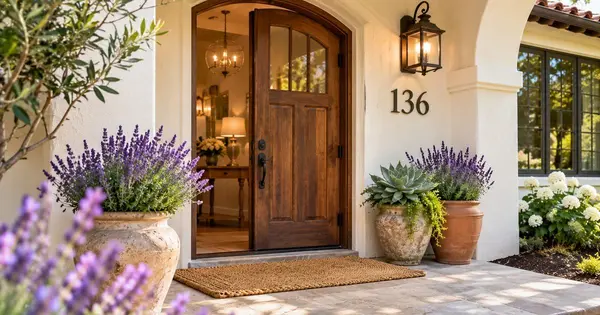
- Improve presentation without overspending — paint, cabinet hardware, landscaping, and a clean, inviting front entry.
- Compare any major remodel against what similar homes are selling for before you start.
The smartest way to find problems early is a pre-listing inspection. We advise our sellers to complete both a home inspection and a pest inspection before the listing goes live. You don't need to fix everything on the report, but you'll know which items deserve attention before you're negotiating with a buyer. Once you're in escrow, every unexpected repair becomes a negotiating point — and usually not in the seller's favor.
And if your neighbor remodeled and sold for $50,000 over asking? Ask whether it was the kitchen — or a well-priced home in a strong location with buyers competing for limited inventory. Marketing gets buyers excited, pricing gets them interested, condition gives them confidence, and the appraisal confirms the price is supported. All four have to work together.
This is exactly the kind of question we walk our clients through before we even list.
Frequently Asked Questions
Does a kitchen remodel increase home value before selling in San Luis Obispo County?
It can, but rarely dollar for dollar. In the 2025 Cost vs Value Report, a midrange major kitchen remodel recouped about 51% of its cost nationally, while a minor kitchen refresh recouped about 113%. In San Luis Obispo County, the deciding factor is whether comparable sales show buyers in your neighborhood paying more for updated kitchens.
What repairs should I make before selling my home on the Central Coast?
Start with anything that could affect financing or safety: roof leaks, foundation damage, unsafe electrical, major plumbing problems, and missing safety features. These can trigger a subject-to appraisal or stall a loan in escrow. A pre-listing home and pest inspection shows you which items matter before a buyer finds them.
How do appraisers treat unpermitted additions?
Unpermitted space doesn't automatically have zero value, but appraisers and lenders may treat it differently from permitted living area. They consider construction quality, safety, market acceptance, and legal use, and some lenders require extra documentation or repairs. Check your permit history before you list.
Is a pre-listing inspection worth it in San Luis Obispo County?
For most sellers, yes. It identifies serious problems, helps you estimate repair costs, and lets you decide what to fix before you're negotiating in escrow. The buyer may still hire their own inspector, but you'll go into that conversation prepared.
The improvements that pay off before selling are the ones buyers in your neighborhood will pay for — and the repairs that keep your sale on track. Your specific number depends on your home's condition, location, and comps, and that's where a local market analysis comes in.
Getting ready to sell? Explore our free guide, Fix It, Skip It, or Leave It Alone: raymondteamre.com/fix-it-skip-it-or-leave-it-alone
Ready to talk through your situation? Schedule a meeting with the Raymond Team — call us at 805-201-6341, or book a Zoom at book.raymondteamre.com.
About Patrick Raymond
Patrick Raymond brings a rare edge to real estate: an appraisal background backed by 24 years of experience. It defines how he approaches pricing, market shifts, and true property value — grounded in data, not assumptions. He also guides clients through complex 1031 exchanges, with a sharp focus on timing and reinvestment strategy. Serving San Luis Obispo County, Patrick brings clarity to complex decisions — because in real estate, the numbers always matter.
Categories
Recent Posts